


Juvenile Lawyer Santa Maria
Local legal defense focused on protecting your child’s record, future prospects, and rehabilitation
Local Attorney with Extensive Juvenile Defense Experience
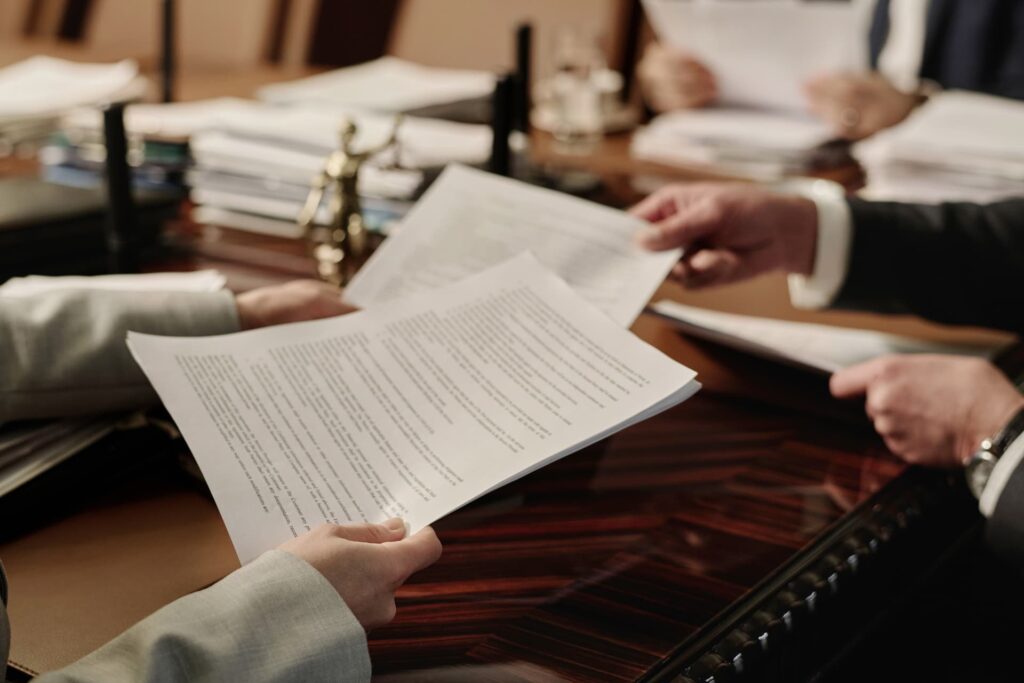
Work Towards Petition Dismissal and Record Sealing
My primary goal is having the petition dismissed based on investigations (e.g. GPS on a client’s phone may show evidence they weren’t at the crime scene). If a dismissal isn’t possible, I seek the next best option of informal probation - WIC 654. Then, if informal probation isn’t possible, I seek non-wardship probation, which is probation for 6 months with goal of record sealing at end of those months. After that, I do everything I can to keep you from the worst outcome of wardship probation of 1 year.
Record sealing ensures the incident is removed from your child's record, protecting their future opportunities for education, employment, and housing. Although I am good at what I do and work hard to get the best outcome for your child, I cannot guarantee a specific outcome.
Benefit from Local Santa Maria Court Experience
You work with an attorney who regularly appears in Santa Maria juvenile court and knows the local procedures, judges, and protocols. This specialized local experience allows for more accurate outcome predictions and better strategic planning for your child's case.
Receive Direct, Hands-On Communication
You'll have direct cell phone access to me throughout the case. You'll receive regular updates and can easily reach me with questions or concerns.
Your Child's Rights Come First
In juvenile cases, the minor is always the client—not the parent. As your child's attorney, I have a professional duty to protect their rights above all else, including protection from severe consequences like 707(b) offenses that can extend past 1 year of wardship probation.
Navigate the Rehabilitative System
California's juvenile justice system is designed for rehabilitation, not punishment. I guide you through the different probationary paths—Informal Probation (WIC 654), Deferred Entry of Judgment (WIC 790), and Non Wardship Probation (WIC 725). Understanding these options is essential for securing a favorable outcome.
Gain Clarity During a Stressful Time
I demystify the process so you and your child understand the petition allegations, court procedures, and likely outcomes. This knowledge reduces anxiety and helps you make informed decisions about your child's case.
A Clear Path to a Fresh Start

The Goal: Petition Dismissal and a Sealed Record
The juvenile justice system focuses on rehabilitation, not punishment. My primary objective is having your child’s petition dismissed outright (WIC 654). If that's not possible, I seek informal probation or non-wardship probation under WIC 725—where your child never admits guilt. When successful, the petition is dismissed and sealed after six months, ensuring the incident is removed from your child's record as if it never happened. This protects their future opportunities for college, careers, and housing. In my experience, some courts in Santa Maria come down hard on substance abuse when it comes to wardship probation. They also take into account other factors like behavior at home, school, attendance, and past trauma.
Constant Communication Reduces Your Anxiety
I understand how frightening this process is for families. You'll have direct cell phone access to me and receive regular updates throughout your case. Unlike public defenders handling hundreds of cases, my lower caseload means more time and attention for your child. You'll always understand what's happening and what comes next.
Specialized Local Santa Maria Expertise
You gain access to an attorney who focuses on juvenile court and knows the specific procedures and "little rules" unique to Santa Maria. This specialized local knowledge allows me to predict likely outcomes with accuracy and pursue the most favorable result for your child.
Your Path to Resolution: Three Simple Steps

Start with a free, confidential phone call to assess your child's situation and determine the next steps.
Step 1: Start with a Free, Confidential Phone Call
This initial phone conversation allows me to learn about your child's situation and provide initial guidance at no charge. If our conversation extends beyond the basics, I'll let you know in advance if there's a fee for additional time. You'll feel supported from the very beginning. Call 805-688-9217.
Step 2: In-Person Meeting and Strategy Discussion
During this meeting, I'll discuss your case goals and the legal paths available to achieve the best outcome. I provide transparent, flat-fee pricing with disclosure of any potential additional fees before you commit to representation.
Step 3: Dedicated Defense and Guidance
If you decide to move forward, I guide you and your child through every step of the process with regular communication and updates. I work diligently to achieve petition dismissal or, if that's not possible, informal probation that leads to dismissal and sealing.
Why Specialized Local Counsel Makes the Difference

Local Experience for Predictable Outcomes
When facing juvenile court, you need an attorney with experience in the specific procedures of Santa Maria and Lompoc juvenile courts. This local expertise means I can better anticipate what may happen in your case and predict outcomes with greater accuracy.
Constant Communication Reduces Your Family's Anxiety
I differentiate my service through hands-on attention and direct cell phone access. It's easy to reach me when you have questions, and I provide continual updates throughout the process. You'll always understand what's happening with your child's case.
Strategic Focus on Dismissal and Sealing
The juvenile justice system is fundamentally rehabilitative, not criminal. My core goal is achieving petition dismissal or, if that's not possible, informal probation—which leads to case dismissal and sealing after successful completion, ensuring the incident is removed from your child's record as if it never happened.
More Time for Your Child's Case
Public defenders are dedicated professionals who provide quality representation. However, private counsel offers advantages including lower caseloads, which means more time and attention for your child, and faster answers to your questions about the case.
Pricing: Invest in Your Child's Future
Free Initial Phone Call and Case Assessment
Price: Varies by case. Call for a quote.
Start with a confidential, free phone call to assess your child's situation immediately. Receive initial guidance and support—you're not alone during this difficult time. If the call extends beyond initial assessment, I'll discuss in advance any fees for additional time. Call 805-688-9217.
Common Questions About Juvenile Defense
Have more questions? I'm happy to answer them during a free, confidential phone call at 805-688-9217.
- What happens if my child can't afford a lawyer?
- If your child cannot afford to hire a private attorney, they are entitled to a court-appointed attorney at no cost. This is typically a public defender, who will be appointed at your child's first court appearance. California law requires that indigent (unable to afford) defendants receive appointed representation. Public defenders in Santa Maria are dedicated professionals who provide quality representation. However, private counsel offers advantages including lower caseloads (more time for your case) and immediate answers regarding your case (you typically wait longer to receive information about your case if you go with a public defender).
- What is the minimum age for juvenile court in California?
- Under California Welfare and Institutions Code Section 602, juvenile court has jurisdiction over minors aged 12 to 17 at the time of the alleged offense. Children under 12 can only be tried in juvenile court if a 602 petition is filed for the most serious offenses: murder, rape, sodomy, oral copulation by force, or sexual penetration by force (WIC 602(b)). For all other offenses, children under 12 are diverted to county social services programs rather than juvenile court.
- Do juveniles have to pay court fees in California?
- As of 2020, California has abolished nearly all juvenile court fees. The Families Over Fees Act (SB 190) eliminated fees for detention, public defenders, electronic monitoring, probation supervision, and other services. California was one of the first states to eliminate these fees after research showed they created financial hardship for families without improving public safety. However, restitution (repayment to victims) may still be ordered if appropriate. Your ability to pay doesn't matter to the court. In my experience, judges strive to make restitution less onerous if a victim's restitution demands seem excessive. Often, victims ask nothing for restitution, or very little.
- What are the different types of juvenile probation in California?
- California's juvenile justice system offers several probationary paths:
- Informal Probation (WIC 654): The case is diverted before a petition is filed. If the minor successfully completes the program (typically 6 months), no petition is filed and the case ends.
- Non Wardship Probation (WIC 725): A 602 petition is filed but placed on hold. The minor never admits guilt. If they successfully complete 6 months of probation conditions, the petition is dismissed and sealed. This is often the best-case scenario when the petition cannot be dismissed outright.
- Deferred Entry of Judgment (WIC 790): The minor admits to the allegations, but judgment is deferred while they complete requirements. Upon successful completion, the petition can be dismissed.
- Wardship Probation (WIC 602): The minor is made a "ward of the court," meaning the court takes primary responsibility for their supervision. This can include placement outside the home or in juvenile hall. Wardship can last one year unless probation submits a petition to extend the probation.
- What is the most common outcome in juvenile court?
- For first-time, non-violent offenses, the best outcome is having the petition dismissed before it proceeds further. When that's not possible, informal probation (WIC 725) is often the goal and a common favorable outcome. This allows the petition to be dismissed and sealed after successful completion of 6 months of probation, typically including counseling, community service, and educational requirements. This is the ideal outcome because the incident is removed from the minor's record as if it never occurred.
- For more serious cases or repeat offenses, wardship probation becomes more likely. The specific outcome depends on the petition allegations, the minor's history, and the quality of legal representation.
- How long do juvenile court cases take?
- The timeline varies significantly based on the case complexity and the disposition:
- Informal probation or non-wardship probation: Typically lasts 6 months before potential dismissal.
- Wardship Probation: 1 year probation unless extended by petition.
- Serious 707(b) Offenses: Can extend past a one year probation based on the nature of the offense.
- From initial detention to disposition (sentencing), most cases resolve within several months, though complex cases can take longer. If I represent your child, I can provide more specific timelines based on your child's particular situation.
- Can juvenile records be sealed in California?
- Yes. One of the primary goals in juvenile defense is achieving petition dismissal and sealing. When a petition is dismissed outright or when a minor successfully completes informal probation, the case is dismissed and sealed, meaning the arrest and court proceedings are removed from their record. Even for cases with other outcomes, most juvenile records can be sealed once the person turns 18 or completes their probation, unless they were found to have committed certain serious 707(b) offenses. Sealed records generally do not appear on background checks, protecting future opportunities.